November 25, 2025
Should I Cover My Air Conditioner in the Winter? Vancouver HVAC Experts Explain
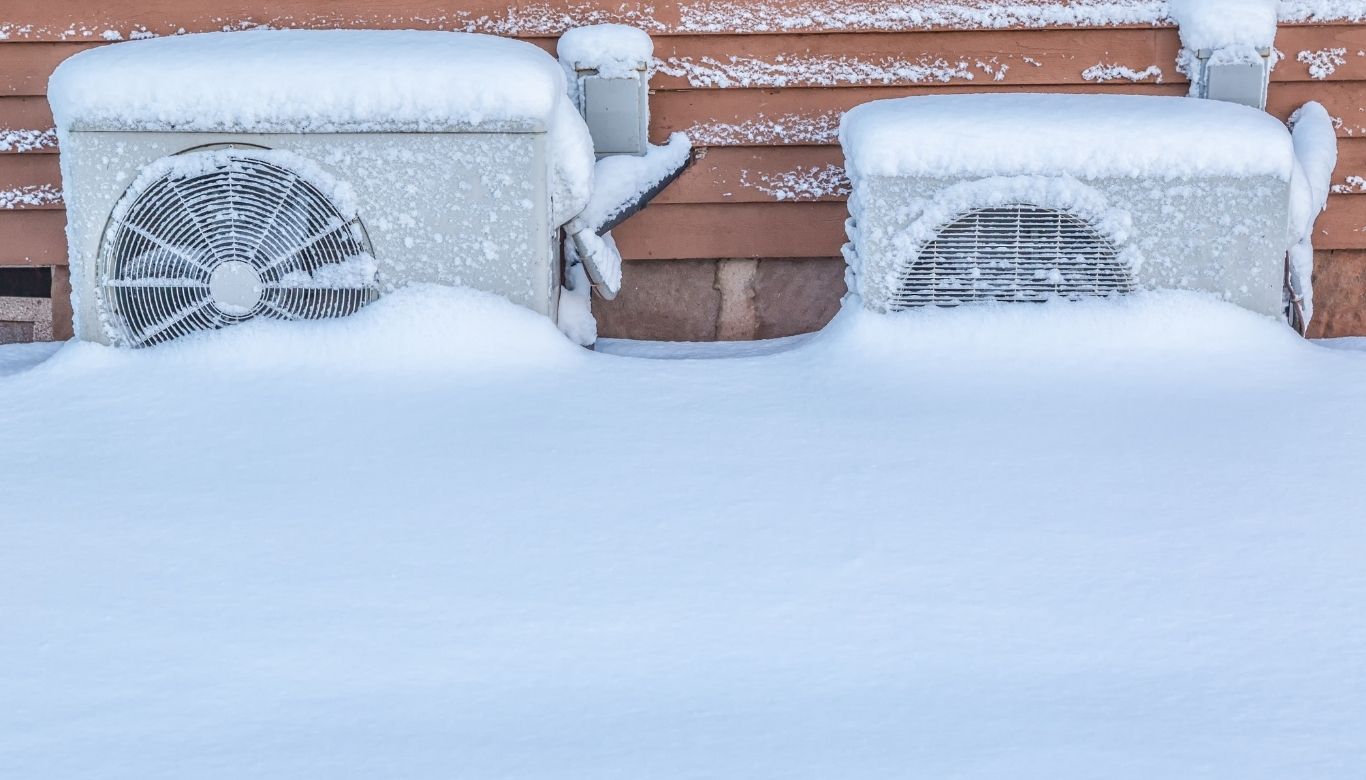
Before you read! Get an instant estimate on your heat pump or air conditionerwith our free HVAC price calculator:
When temperatures drop and the rain starts falling, many Vancouver homeowners ask the same question: should I cover my air conditioner in the winter? It might seem like an easy way to protect your system from rain, snow, and debris—but it can actually do more harm than good.
Let’s break down when covering your AC makes sense, what you should avoid, and how to properly prepare your air conditioner for the winter season.
Why Most Experts Say “No” to Full Covers
Modern outdoor air conditioners are built to handle the elements. These units are designed with weather-resistant materials and drainage systems that let water, snow, and condensation naturally run off. When people ask “should I cover my air conditioner in the winter”, the simple answer is usually no—full coverage traps moisture, restricts airflow, and can lead to rust or mold inside the system.
A tight plastic or vinyl cover creates a damp environment that encourages corrosion. Over time, that moisture can damage electrical connections and shorten the life of the compressor or coils.
When a Partial Cover Can Help
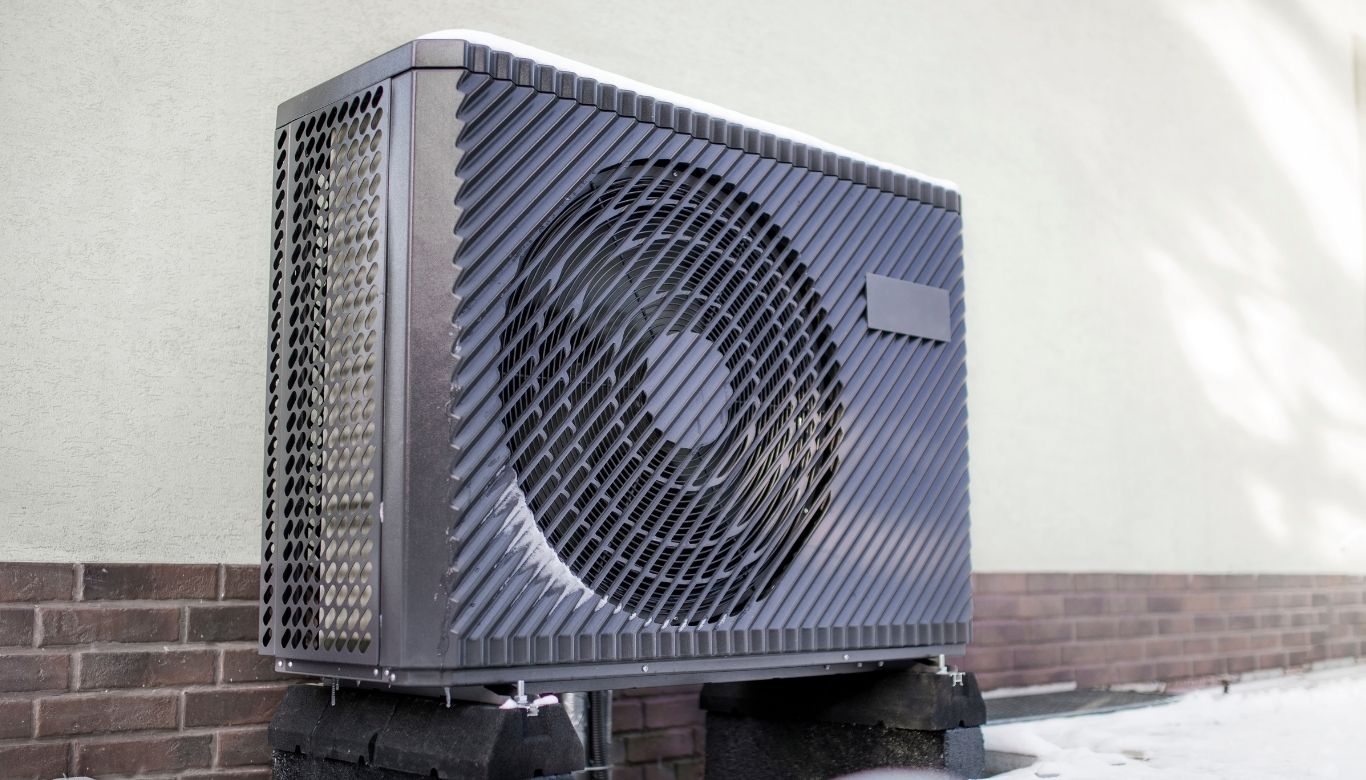
There are a few cases where the answer to “should I cover my air conditioner in the winter” is a qualified yes. If your outdoor unit sits directly under a tree that drops leaves, needles, or sap, using a top-only cover can keep debris from falling into the fan blades. This type of breathable, waterproof cover protects against heavy snow or falling branches while still allowing air to circulate freely.
If you live near the ocean, salt spray and wind can also accelerate corrosion. In those conditions, a loose, mesh-style top cover offers some protection without sealing in moisture.
What to Do Instead of Covering Your AC
Instead of fully wrapping your air conditioner, focus on simple winter prep that keeps it clean and efficient:
- Turn off the power at the disconnect switch to prevent accidental startup.
- Clear debris from around the unit, including leaves, twigs, and dirt.
- Rinse the coils gently with a low-pressure hose to remove buildup.
- Trim back nearby shrubs or plants to keep airflow clear.
- Inspect for wear or damage and schedule a quick maintenance check with Whyte Mechanical.
Following these steps means you’ll never have to wonder, “should I cover my air conditioner in the winter,” because your system will already be protected and ready for spring.
The Risks of Improper Covers
Covering your air conditioner the wrong way can actually create bigger problems. Here’s what happens when covers are too tight or made of non-breathable materials:
- Mold growth: trapped moisture can grow mold inside the unit.
- Rust and corrosion: metal components deteriorate faster.
- Pests: rodents and insects love warm, covered spaces.
- Blocked airflow: your system can’t dry properly, leading to future failures.
That’s why the next time you ask “should I cover my air conditioner in the winter,” remember that most issues come from trapping moisture, not from snow or rain itself.
How Vancouver’s Climate Affects Your Decision
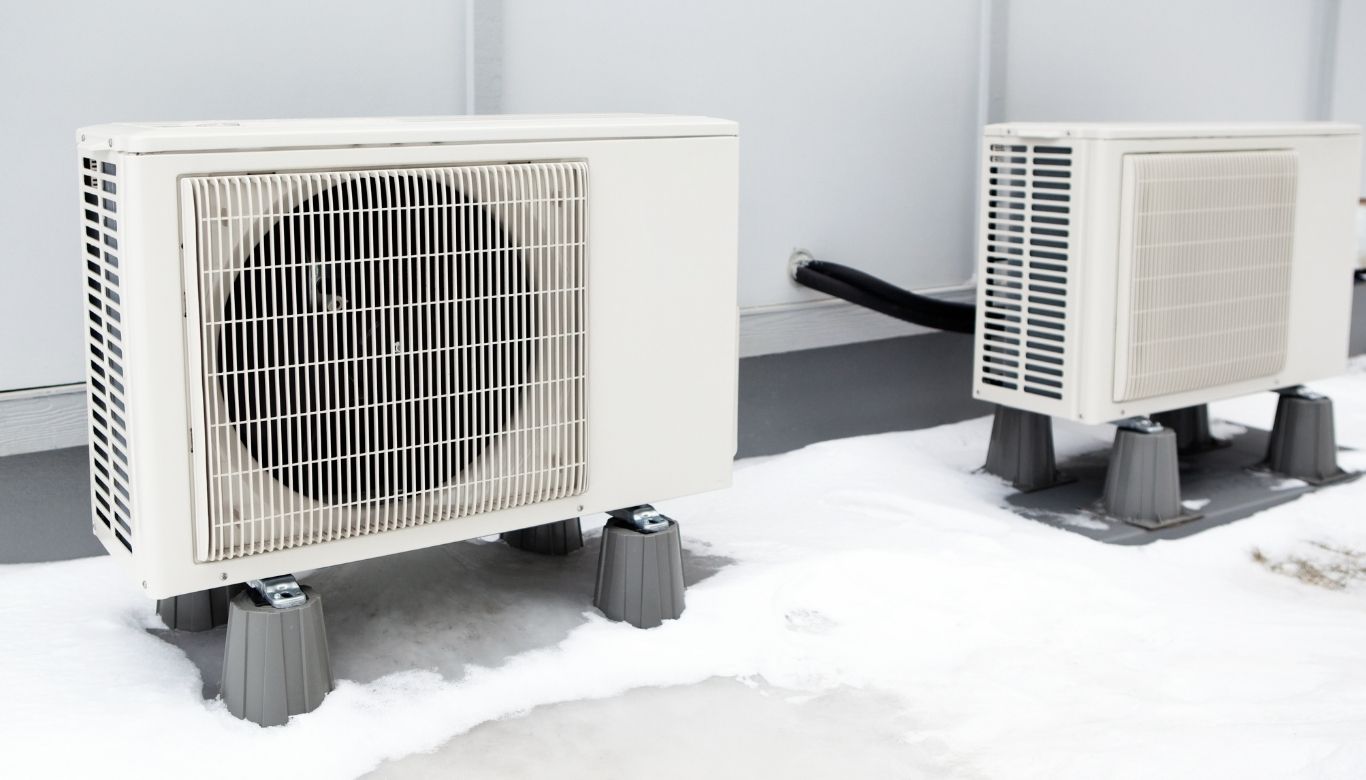
Because Vancouver winters are mild and wet rather than freezing, full AC covers aren’t necessary. Units here are exposed mostly to rain and occasional frost—not heavy snow or ice buildup. Manufacturers like Daikin and Lennox design their condensers to handle exactly this type of climate.
If you still wonder “should I cover my air conditioner in the winter,” consider this: local HVAC technicians rarely recommend it for Metro Vancouver homes. Instead, focus on proper drainage and regular servicing to extend your unit’s lifespan.
Professional Maintenance Makes the Difference
Even when you maintain your system well, professional service once a year ensures everything runs smoothly. During a winter inspection, Whyte Mechanical’s licensed HVAC team will:
- Check the electrical connections and refrigerant levels
- Inspect the coils, fins, and fan motor for damage
- Ensure the drain lines are clear
- Confirm your system is ready for spring startup
So, if you’ve ever asked “should I cover my air conditioner in the winter,” the better question might be—“has my AC been properly serviced before winter?”
When to Call Whyte Mechanical
If you’re unsure how to protect your system or notice rust, debris, or ice around your outdoor unit, our team can help. We provide:
- Seasonal HVAC inspections
- Coil and condenser cleaning
- Winter preparation services
- Repairs and tune-ups for all AC brands
Stop guessing about whether you should cover your air conditioner in the winter—book a quick checkup with our licensed technicians instead.
Final Verdict: Should You Cover Your Air Conditioner in the Winter?
Here’s the bottom line: in most cases, you should not cover your air conditioner in the winter. Your system is built to withstand Vancouver’s damp, rainy weather. If you do choose to use a cover, make sure it’s breathable, top-only, and removed before spring.
Frequently Asked Questions About Covering Your Air Conditioner in Winter
1. Is it OK to cover your air conditioner in the rain?
Yes, but only with a breathable top-only cover that protects against debris or heavy rainfall while allowing air to circulate. Completely covering your air conditioner can trap moisture, which leads to rust, corrosion, and mold growth.
2. Can snow damage an air conditioner?
Light snow typically won’t harm your air conditioner. These units are built to withstand harsh outdoor conditions. However, if snow piles up around or on top of the unit, gently clear it away to maintain airflow and prevent ice buildup.
3. How do I protect my outdoor AC unit in the winter?
Turn off the power, clean around the condenser, remove leaves or debris, and trim back plants nearby. If your unit sits under trees or gutters, you can use a breathable top cover to prevent buildup—but never seal the sides.
4. Will covering my air conditioner void the warranty?
In some cases, yes. Most manufacturers design outdoor units to handle weather conditions without protection. Covering them too tightly can cause damage, which may void your warranty. Always check your unit’s manual before using a cover.
5. When should I uncover my air conditioner after winter?
Remove any cover as soon as daytime temperatures consistently rise above 10°C (50°F) or before you turn the system on for spring. Starting your AC while covered can cause overheating or refrigerant pressure issues.
Ready to Get Started?
At Whyte Mechanical & Heating, we bring craftsmanship, integrity, and expertise to every project — big or small. Whether you need help with plumbing, heating, cooling, or electrical work, our licensed Vancouver technicians deliver solutions that last.
Get in touch today for transparent pricing, same‑day service options, and expert advice you can trust.
Get a transparent HVAC replacement quote based on your home specs—no forms, no pressure. Try the Cost Calculator
Since 2018, we’ve helped Vancouver homeowners feel confident in every system behind their walls. Explore Our Services
REQUEST A FREE QUOTE TODAY
Our Reliable Technicians Are Ready For Any Job
Whether you need a new heat pump for your home or are managing a large construction project, our reliable HVAC technicians are ready for any job. Reach out to us today to get a free quote for all your HVAC needs.