December 12, 2025
Running Furnace Fan Continuously in Winter: Smart Move or Energy Drain?
.jpg)
Before you read! Get an instant estimate on your heat pump or air conditionerwith our free HVAC price calculator:
As Vancouver’s chilly months settle in, homeowners start debating whether running furnace fan continuously in winter is a good idea. You’ve probably noticed your thermostat has two settings for the fan: Auto and On. In Auto mode, the fan only runs when the furnace is heating. In On mode, the fan runs nonstop—pushing air through your home even when the furnace isn’t actively producing heat.
So, should you leave it on all winter long? Let’s break down the pros, cons, and expert insights from Whyte Mechanical’s HVAC specialists.
What the Furnace Fan Actually Does
Your furnace’s fan (or blower motor) is responsible for circulating air through your ducts and vents. When your furnace produces heat, the fan distributes that warm air evenly throughout your home. But running furnace fan continuously in winter means the blower never turns off, constantly circulating air through your filters and vents—even between heating cycles.
In modern, energy-efficient systems, this can actually work in your favor. In older furnaces, though, it can lead to unnecessary wear and higher bills.
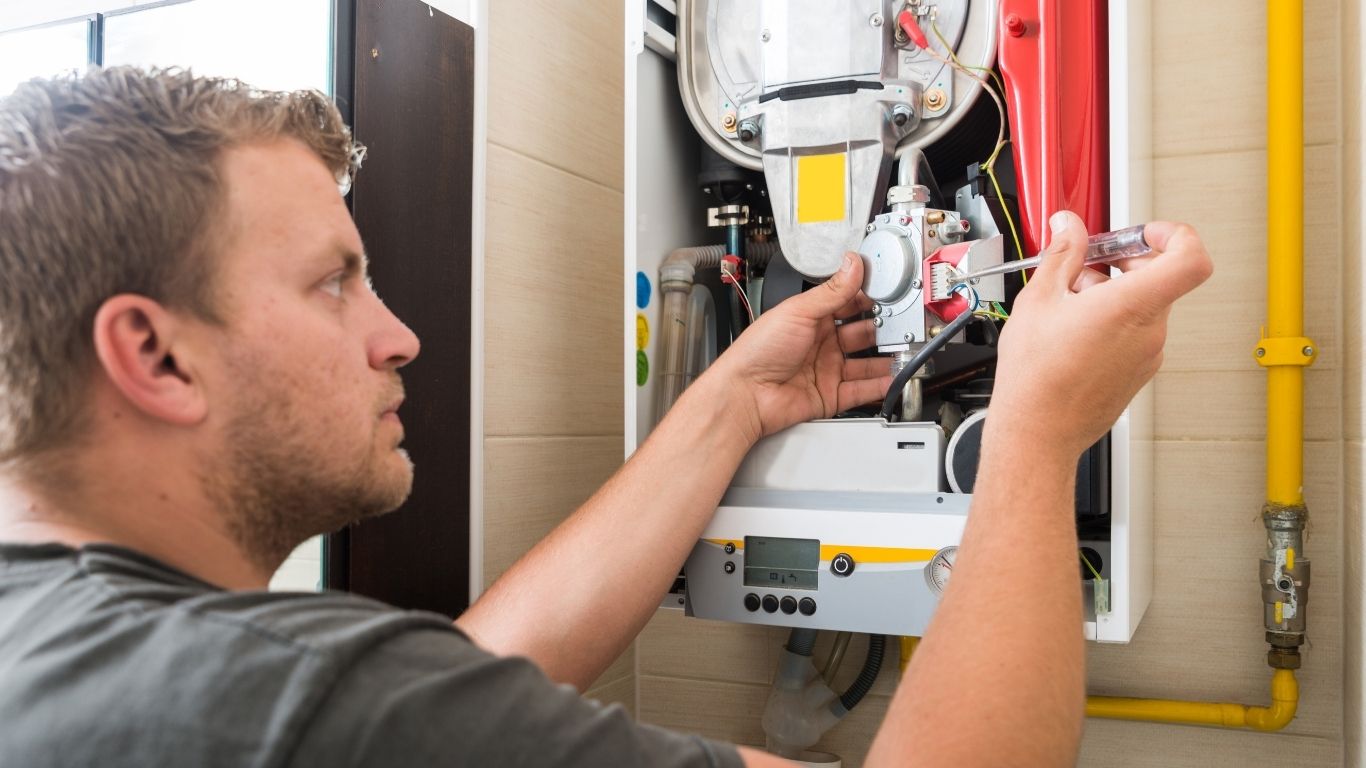
The Benefits of Running Furnace Fan Continuously in Winter
There are several reasons homeowners in Vancouver and the Lower Mainland choose to keep their fan running all season.
1. More Even Heating
Without consistent circulation, hot air rises and cooler air settles near the floor. By running furnace fan continuously in winter, you prevent hot and cold spots, helping every room stay closer to the same temperature.
2. Better Air Quality
Each time air passes through your furnace filter, it’s cleaned of dust, dander, and airborne allergens. So if you have pets or family members with allergies, running furnace fan continuously in winter can improve overall air freshness and comfort.
3. Less Wear on the System
It sounds counterintuitive, but frequent on-off cycling actually stresses your fan motor more than continuous use. Keeping the blower on means less strain from constant starts and stops—especially in newer variable-speed furnaces.
4. Consistent Humidity Levels
If you use a whole-home humidifier, running furnace fan continuously in winter allows moisture to circulate evenly throughout your home. That helps prevent dry air issues like cracked skin, static shocks, and warping hardwood floors.
The Drawbacks of Running Furnace Fan Continuously in Winter
While there are advantages, this setup isn’t perfect for every household or system.
1. Higher Energy Use (on Older Units)
If your furnace is more than 10 years old, running furnace fan continuously in winter can increase energy consumption. Older motors tend to draw more power than modern high-efficiency models with ECM (electronically commutated) motors.
2. Faster Filter Replacement
The more your fan runs, the more dust and debris your filter collects. You may need to replace filters every 1–2 months instead of every 3. That’s a small price for cleaner air, but it’s something to plan for.
3. Potential Noise Issues
Some older furnaces can be loud when running non-stop. If you notice rattling or humming, it might be time for fan maintenance or an upgrade.
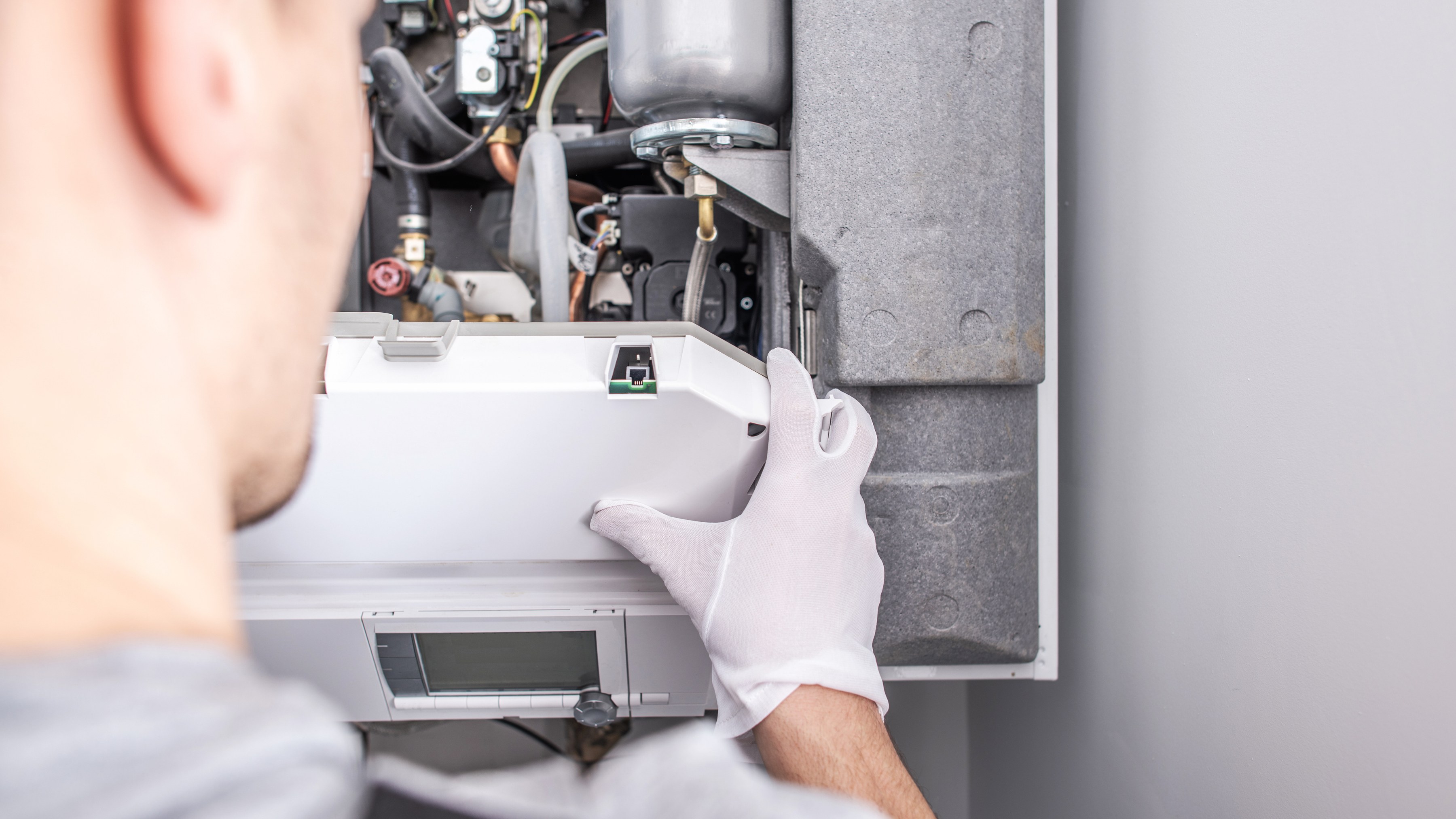
How to Know if Continuous Fan Operation Is Right for You
Here’s a quick guide to help you decide if running furnace fan continuously in winter makes sense for your home:
- You have a newer furnace with an energy-efficient motor.
- Your home has uneven temperatures or poor airflow.
- You or your family members struggle with allergies.
- You have a whole-home humidifier installed.
Avoid continuous operation if:
- Your furnace is 10+ years old.
- Your ductwork is leaking or dirty.
- You spend long hours away from home and don’t need constant circulation.
If you’re unsure, Whyte Mechanical can assess your furnace’s energy efficiency and airflow to help you choose the best fan setting for your system.
Best Practices for Continuous Furnace Fan Operation
If you decide to try running furnace fan continuously in winter, follow these maintenance tips for optimal performance:
- Replace or clean filters regularly. Every 30 to 60 days during heavy use is ideal.
- Seal and clean your ductwork. This prevents air leaks and wasted energy.
- Schedule professional maintenance. A seasonal tune-up ensures your blower motor runs efficiently and quietly.
- Use a programmable thermostat. Many newer thermostats let you set fan schedules for different times of day, balancing comfort with efficiency.
Common Misconceptions About Furnace Fans
Many homeowners assume that running furnace fan continuously in winter will drastically increase energy costs. In reality, for modern systems, the difference can be minimal—especially with ECM motors. In fact, the improved comfort and air quality often outweigh the slight increase in utility costs.
Another myth is that a continuously running fan means your furnace is broken. Not true—unless it keeps running even when set to Auto. In that case, it may be a thermostat or control board issue, which Whyte Mechanical can easily diagnose and fix.
When to Use the “Auto” Setting Instead
While running furnace fan continuously in winter has benefits, the Auto mode still makes sense in some situations:
- You own an older or less efficient furnace.
- You’re out of the house most of the day.
- Your ducts haven’t been inspected in years.
In these cases, Auto mode helps reduce unnecessary energy usage while keeping your home warm when it matters most.
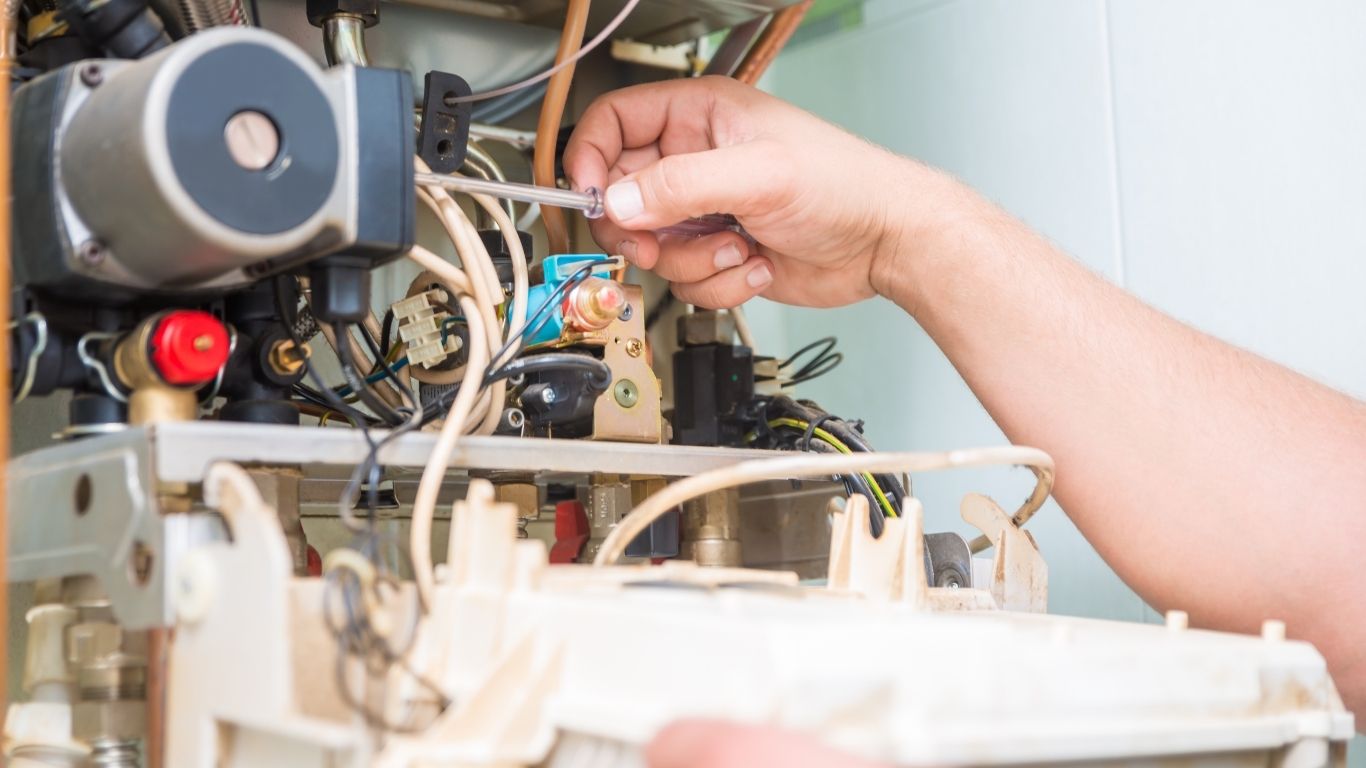
Why Modern Furnaces Are Built for Continuous Operation
Today’s ENERGY STAR-rated furnaces are designed with efficiency in mind. Many come equipped with variable-speed motors that adjust airflow automatically to maintain consistent comfort. That means running furnace fan continuously in winter can actually use less energy than older systems cycling on and off all day.
If your furnace was installed within the last 5–7 years, ask Whyte Mechanical’s technicians if your system supports continuous fan operation—it could improve comfort and air quality without hurting your budget.
Frequently Asked Questions
1. Does running my furnace fan all winter use more electricity?
Slightly—but not always. Newer furnaces use efficient motors designed for continuous operation, minimizing energy use.
2. Can continuous fan operation improve air quality?
Yes. Air passes through the furnace filter more often, reducing dust, allergens, and pet dander throughout your home.
3. Is it safe to run my furnace fan all the time?
Absolutely. If your furnace is in good condition, continuous fan operation won’t harm it and can even extend its lifespan.
4. Does running the fan continuously cause wear and tear?
It actually reduces mechanical stress caused by frequent starting and stopping.
5. Should I switch back to Auto in the summer?
Yes. During cooling season, using Auto helps manage humidity and reduces unnecessary airflow through the evaporator coils.
Ready to Get Started?
At Whyte Mechanical & Heating, we bring craftsmanship, integrity, and expertise to every project — big or small. Whether you need help with plumbing, heating, cooling, or electrical work, our licensed Vancouver technicians deliver solutions that last.
Get in touch today for transparent pricing, same‑day service options, and expert advice you can trust.
Get a transparent HVAC replacement quote based on your home specs—no forms, no pressure. Try the Cost Calculator
Since 2018, we’ve helped Vancouver homeowners feel confident in every system behind their walls. Explore Our Services
REQUEST A FREE QUOTE TODAY
Our Reliable Technicians Are Ready For Any Job
Whether you need a new heat pump for your home or are managing a large construction project, our reliable HVAC technicians are ready for any job. Reach out to us today to get a free quote for all your HVAC needs.