December 5, 2025
How to Thaw Frozen Pipes Safely: A Step-by-Step Guide for Vancouver Homeowners
Before you read! Get an instant estimate on your heat pump or air conditionerwith our free HVAC price calculator:
When temperatures drop below freezing, even the most reliable plumbing can seize up. One morning, you turn on the faucet—and nothing comes out. Don’t panic. This guide will show you exactly how to thaw frozen pipes, prevent costly damage, and get water flowing again before a burst pipe ruins your day.
In Vancouver’s cold snaps, frozen pipes are one of the most common winter emergencies our plumbing team sees. The good news? If you act quickly and safely, you can often fix the problem yourself—or know when it’s time to call Whyte Mechanical.
Why Frozen Pipes Are Dangerous
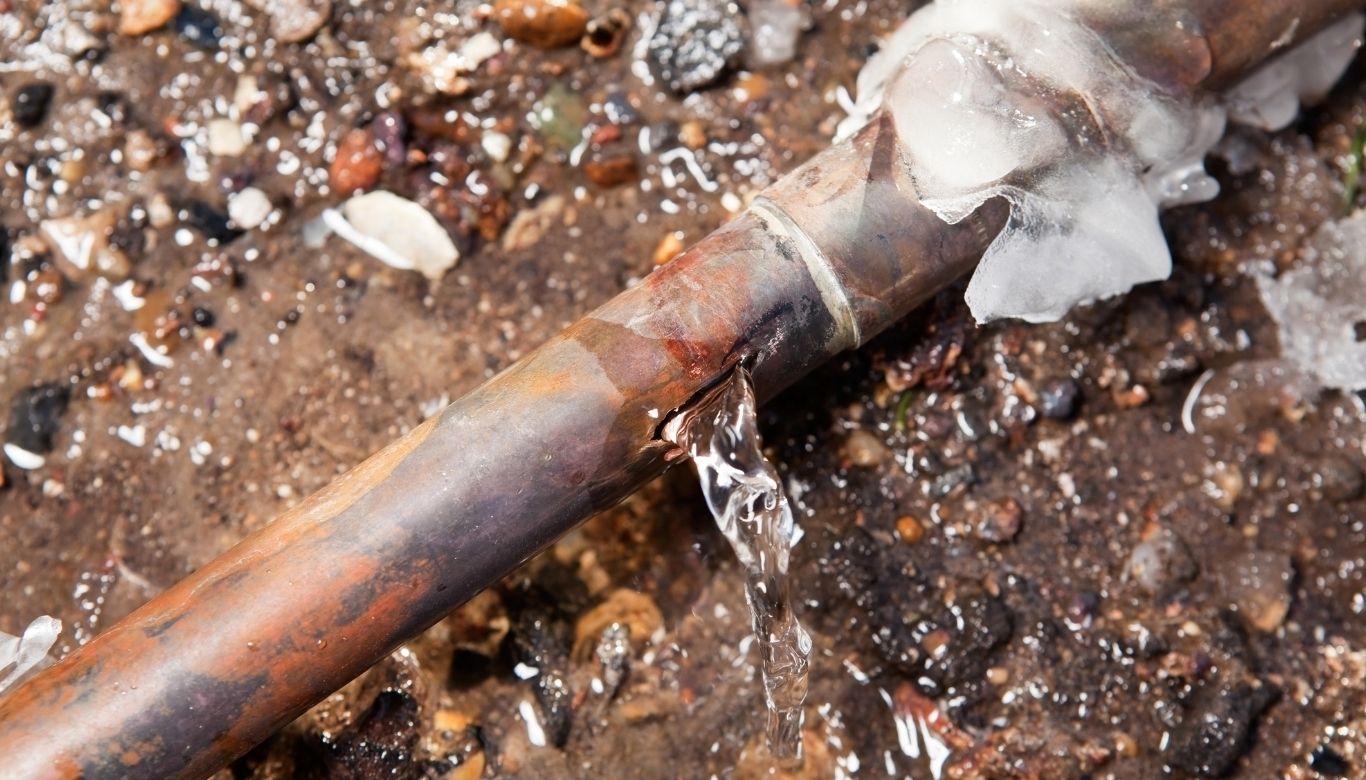
When water freezes, it expands. Inside your plumbing, that expansion creates enormous pressure, often cracking copper, PVC, or PEX lines. A single split pipe can release hundreds of litres of water in minutes once it thaws.
Learning how to thaw frozen pipes correctly helps avoid two major issues:
- Costly flood damage.
- Dangerous pressure buildup that causes pipes to burst.
How to Know If Your Pipes Are Frozen
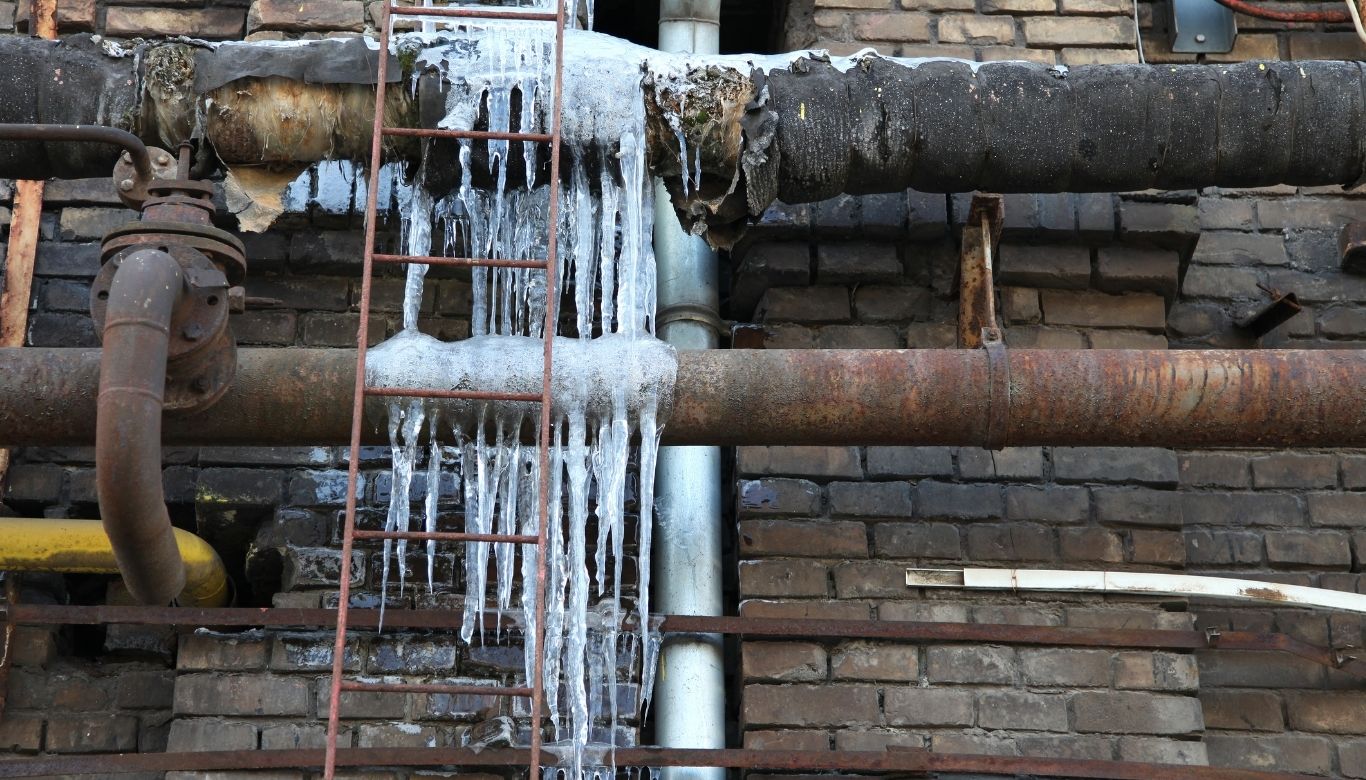
Before you start applying heat, you need to confirm the issue. Look for:
- Only a trickle or no water coming from faucets.
- Frost or condensation on visible pipes.
- Unusual noises like gurgling or whistling.
- Bulging pipe sections or visible cracks.
If you spot any of these signs, it’s time to follow these safe steps for how to thaw frozen pipes.
Step 1: Turn Off the Main Water Supply
Always start by shutting off the main water valve to relieve pressure. This reduces the risk of a burst pipe once the ice begins to melt. If you’re unsure where it is, check near the water meter or in your basement utility area.
Step 2: Open All Faucets
Once the water is off, open the faucets connected to the frozen pipe—both hot and cold. This gives melted water a place to escape and helps relieve built-up pressure. It’s a crucial step in how to thaw frozen pipes safely.
Step 3: Apply Gentle, Even Heat
Now it’s time to warm things up. Start heating the frozen section of pipe closest to the faucet, working your way back toward the coldest area. Use safe, gradual heat sources like:
- A hair dryer or heat gun on a low setting.
- A space heater positioned nearby (not touching).
- Hot towels wrapped around the pipe and replaced every few minutes.
- Heat tape or cable specifically made for plumbing.
Avoid open flames such as blowtorches, propane heaters, or candles—they can melt pipes, start fires, or cause serious injury. The safest method for how to thaw frozen pipes is always slow, steady heating.
Step 4: Keep the Faucet Open
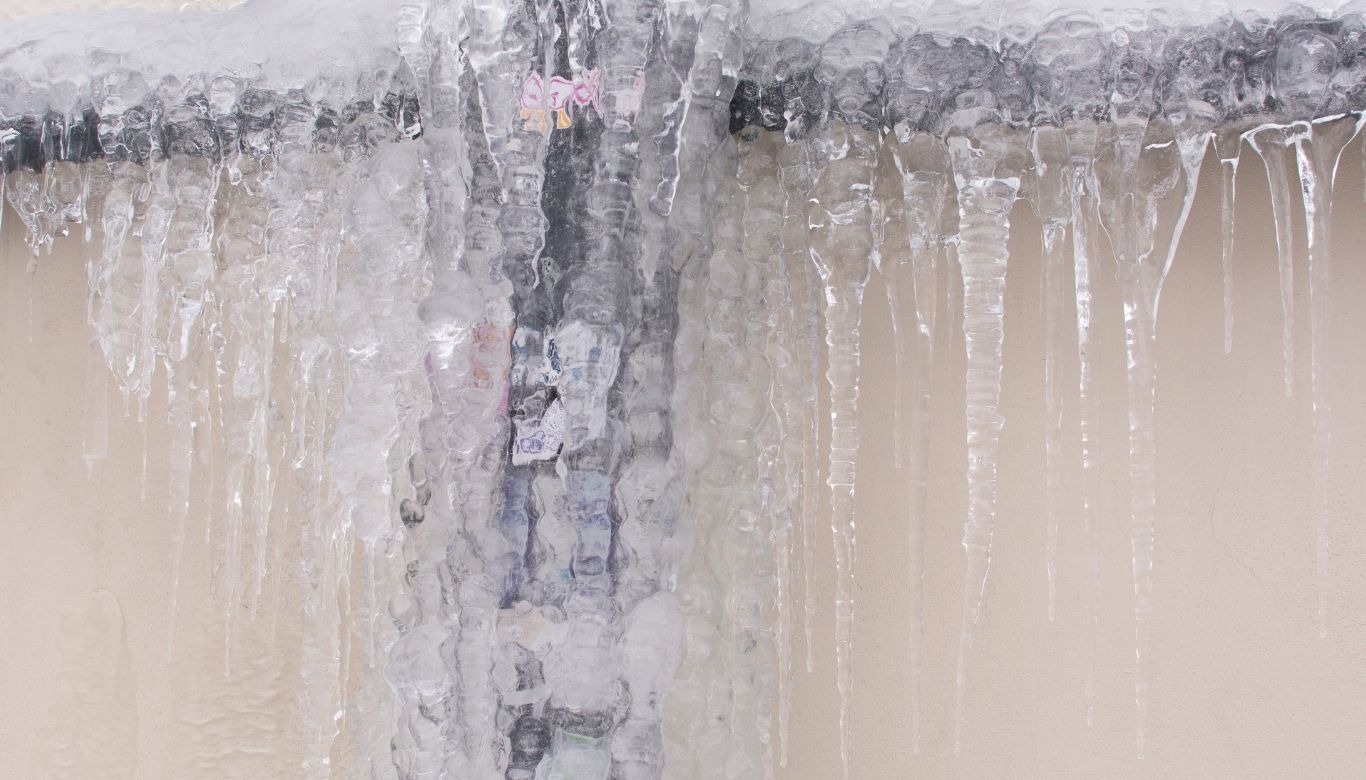
As you apply heat, water and steam will begin to flow. Keeping the faucet open allows pressure to escape and speeds up the thawing process. Continue until full water pressure is restored.
If you’re thawing multiple frozen pipes, work on one at a time to prevent system imbalance.
Step 5: Check for Leaks
Once the water is running again, inspect all exposed plumbing for drips or cracks. Small leaks may appear hours later as pipes fully expand. If you discover one, shut off the main valve again and call Whyte Mechanical immediately.
Knowing how to thaw frozen pipes is useful—but knowing when to stop and get professional help is just as important.
Step 6: Thawing Hidden or Inaccessible Pipes
Sometimes frozen sections are behind walls or under floors. You can still try a few safe methods:
- Turn up your home’s thermostat to 25°C (77°F) and open cabinets near plumbing.
- Use a space heater or infrared lamp to warm the wall area gently.
- Add insulation or seal cracks around exterior walls once thawed to prevent a repeat.
If no progress is made after 30–45 minutes, contact a licensed plumber. Professional tools like pipe-thawing machines can safely restore flow without damaging your system.
What Not to Do When Thawing Pipes
Even when you’re confident about how to thaw frozen pipes, it’s easy to make mistakes that cause more harm than good. Here’s what to avoid:
- Never use an open flame. Blowtorches or gas heaters can ignite flammable materials and warp your pipes.
- Don’t pour boiling water down frozen drains—the shock can crack pipes.
- Avoid leaving space heaters unattended. They can easily tip over and start fires.
- Skip chemical drain cleaners. They won’t melt ice and can create harmful fumes in a confined area.
Sticking to gentle, consistent heat keeps your home and plumbing safe.
How to Find Frozen Pipes Inside Walls
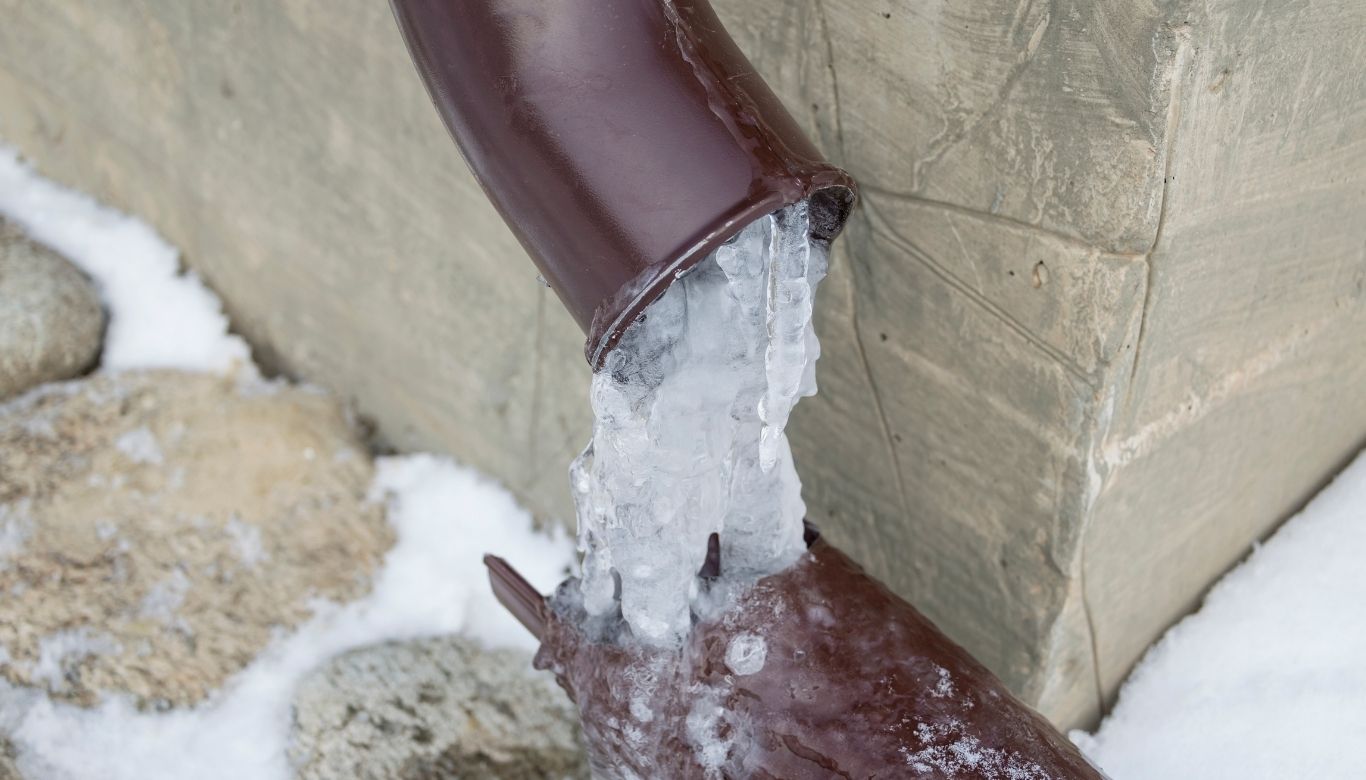
When only certain faucets stop working, chances are the frozen section is hidden behind drywall or insulation. To locate it:
- Start with the affected fixtures. If only one faucet is slow, trace that water line.
- Check exterior walls and corners. These areas lose heat fastest.
- Use temperature clues. A section of wall that feels unusually cold or damp often hides the problem.
- Tap the wall lightly. A hollow sound indicates a normal pipe, while a solid thud could mean ice inside.
If you can’t pinpoint the section, Whyte Mechanical can use thermal imaging and moisture detection tools to locate and safely access the frozen area.
Signs It’s Time to Replace Your Pipes After Freezing
Even if you know exactly how to thaw frozen pipes, repeated freezing weakens your plumbing over time. Watch for these signs it’s time for replacement:
- Frequent leaks or corrosion spots.
- Uneven water pressure throughout your home.
- Visible cracks or dents after thawing.
- Discoloured or cloudy tap water.
- Mold or dampness near plumbing runs.
Upgrading to modern PEX or insulated copper lines can prevent future freezing and improve water efficiency. Whyte Mechanical offers full replacement and insulation options designed for Vancouver’s winter climate.
How to Prevent Frozen Pipes in the Future
Once you’ve learned how to thaw frozen pipes, prevention becomes your next priority. Here’s how to stop it from happening again:
- Insulate exposed pipes in basements, crawl spaces, and garages.
- Seal wall gaps and drafts near plumbing lines.
- Keep cabinet doors open to allow warm air to circulate.
- Let faucets drip slightly during extreme cold.
- Keep your home heated to at least 13°C (55°F), even when away.
A few proactive steps today can save you thousands in repairs later.
When to Call a Professional
You should call Whyte Mechanical right away if:
- You can’t locate the frozen section.
- The pipe is behind a wall or ceiling.
- You notice cracks, leaks, or bulging.
- You’re uncomfortable using electrical or heating equipment.
Our technicians are trained in how to thaw frozen pipes quickly and safely. We use specialized equipment that restores water flow without damaging your plumbing system or creating fire risks.
Frequently Asked Questions About Frozen Pipes
1. How long does it take to thaw frozen pipes?
Depending on the temperature, pipe size, and location, it typically takes 30–60 minutes using gentle heat. Larger or hidden pipes may take longer.
2. Should I turn off my water before thawing pipes?
Yes. Shutting off the water reduces pressure inside the system, minimizing the risk of a burst pipe once the ice melts.
3. Can I pour boiling water on frozen pipes?
No. Sudden temperature changes can crack metal or plastic pipes. Use warm—not boiling—water if you’re wrapping towels.
4. How can I prevent frozen pipes when I’m away from home?
Keep your heat set above 13°C (55°F) and ask a neighbour to check your home periodically. You can also shut off and drain your water lines before long trips.
5. What if my pipe bursts while thawing?
Immediately turn off the main water supply and electricity in the affected area. Then call Whyte Mechanical for emergency plumbing service.
Ready to Get Started?
At Whyte Mechanical & Heating, we bring craftsmanship, integrity, and expertise to every project — big or small. Whether you need help with plumbing, heating, cooling, or electrical work, our licensed Vancouver technicians deliver solutions that last.
Get in touch today for transparent pricing, same‑day service options, and expert advice you can trust.
Get a transparent HVAC replacement quote based on your home specs—no forms, no pressure. Try the Cost Calculator
Since 2018, we’ve helped Vancouver homeowners feel confident in every system behind their walls. Explore Our Services
REQUEST A FREE QUOTE TODAY
Our Reliable Technicians Are Ready For Any Job
Whether you need a new heat pump for your home or are managing a large construction project, our reliable HVAC technicians are ready for any job. Reach out to us today to get a free quote for all your HVAC needs.