April 20, 2026
How to Avoid the Worst Heat Pump Brands in Canada: A 2026 Buyer's Guide
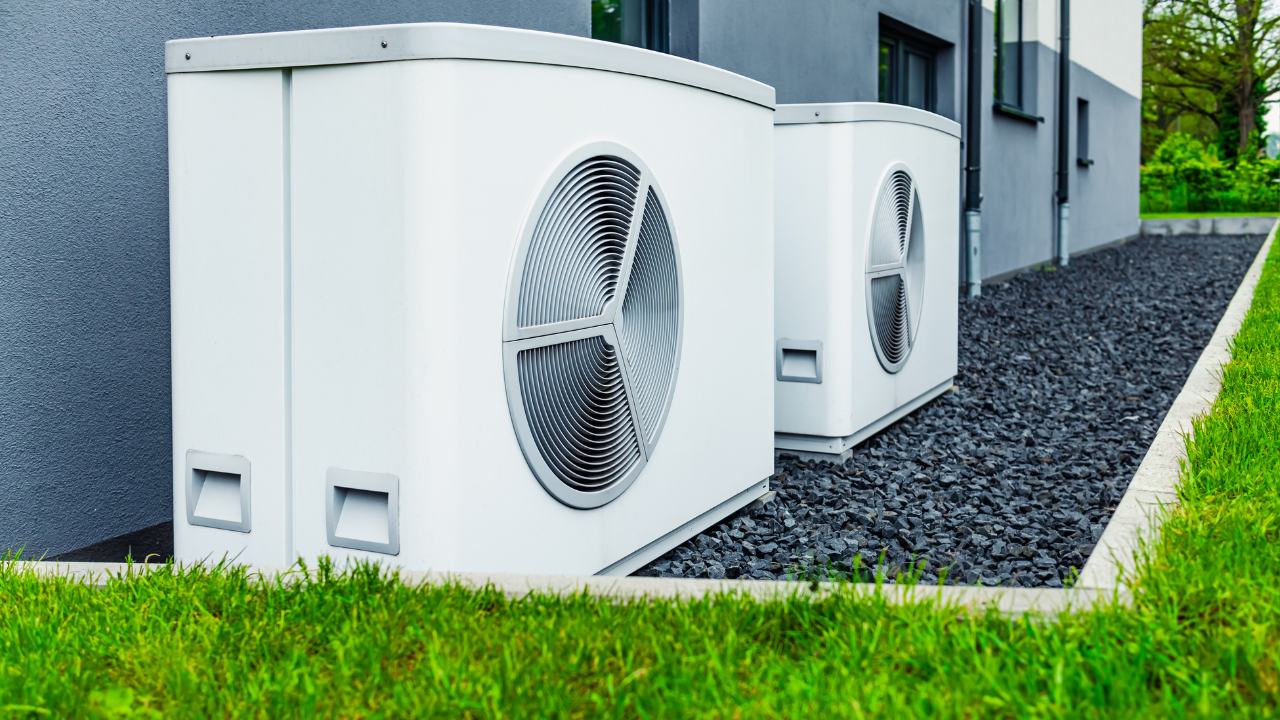
Buying a heat pump is a significant investment - and with so many brands on the market, it can be genuinely difficult to know who to trust. Search for recommendations online and you'll find contradictory opinions everywhere. One installer swears by a brand another refuses to touch.
The truth is, avoiding a bad heat pump purchase in Canada isn't just about picking the right brand name. It's about knowing what to look for - and what to watch out for - before you commit. This guide gives you a practical framework for making a confident, well-informed decision.
If you'd like a recommendation tailored to your home, Whyte Mechanical's team is happy to help.
.jpg)
What Makes a Heat Pump Brand One of the Worst in Canada?
Not all heat pump brands are created equal - and in the Canadian market specifically, a few factors separate trustworthy manufacturers from ones that cause ongoing headaches.
Poor cold-climate performance - Canada's winters are demanding, and not every heat pump is built for them. Some brands market units with impressive efficiency ratings that fall apart when temperatures drop. A system that can't maintain reliable output at -15°C or colder is a poor fit for most Canadian homes, including those in the Vancouver area during cold snaps.
Weak parts availability and support networks - If your heat pump breaks down in January and the manufacturer can't supply parts for weeks, that's a serious problem. Brands with thin distribution networks in Canada - or those that rely heavily on imported parts with long lead times - put homeowners in a vulnerable position.
Limited installer training and certification - The best brands invest in training their installer networks. Brands that don't tend to have more installation errors, more warranty disputes, and more frustrated homeowners. If an installer can't get proper technical support from a manufacturer when something goes wrong, you're the one who suffers.
Short or complicated warranties - A quality heat pump should come with a meaningful warranty - typically five to twelve years on compressors and key components. Brands that bury limitations in the fine print, or that make warranty claims difficult to process, are worth avoiding.
Newer brands without a track record - The heat pump market has grown rapidly, and a number of newer brands are selling rebranded equipment from large generic manufacturers. Some of these products may perform fine - but without a long track record in Canadian conditions, there's genuine uncertainty about long-term reliability and support.
The Brands That Consistently Earn Installer Trust
While this blog isn't a ranking, there are brands that come up consistently among experienced Canadian installers as reliable, well-supported choices.
Mitsubishi, Fujitsu, and Daikin are widely regarded as the most trusted manufacturers in the Canadian heat pump market. All three are Japanese companies with decades of manufacturing experience, strong cold-climate performance, established parts networks across Canada, and robust installer training programs.
These brands aren't necessarily the cheapest option - but they're the ones installers tend to recommend when they want a system that works reliably and holds up over time.
Explore heat pump installation options for your Vancouver home and see what Whyte Mechanical recommends for our climate.
Why the Installer Matters as Much as the Brand
This is one of the most consistent pieces of advice from experienced heat pump professionals - and it's worth taking seriously.
A high-quality heat pump installed poorly will underperform. A mid-range unit installed correctly, sized properly, and set up with care will outperform a premium brand that was rushed in by an inexperienced crew.
When evaluating installers, look for:
- Willingness to perform a proper load calculation before recommending a size
- Clear, itemized quotes with no vague line items
- Experience with the specific brand they're recommending
- Transparency about warranty terms and what's covered
- A track record of local installs you can verify through reviews
Be cautious of any installer who recommends a system size without thoroughly assessing your home, or who pushes a brand you've never heard of without a clear explanation of why.
Red Flags to Watch for When Comparing Brands and Quotes
Beyond brand reputation, there are some practical warning signs that a purchase might not go well.
The price seems too good to be true - Significantly lower quotes often mean lower-grade equipment, shortcuts on installation, or missing items like permits and disposal fees. Always ask for an itemized breakdown.
The installer can't explain the brand's cold-climate rating - Every reputable heat pump has a rated operating temperature range. If your installer can't tell you how the unit performs at -10°C or -20°C, that's a gap in knowledge you don't want on your installation.
No mention of permits - Heat pump installations in Metro Vancouver require permits. Any quote that doesn't include them is either incomplete or non-compliant.
Pressure to decide quickly - A trustworthy installer will give you time to compare options. High-pressure tactics are a signal to slow down, not speed up.
No references or verifiable reviews - Local reviews matter. A company with a strong track record in Vancouver will have them.
.jpg)
What to Ask Before You Buy
Armed with the right questions, you can quickly filter out brands and installers that aren't worth your time.
- What is this unit's rated heating capacity at -15°C?
- How long has this brand been operating in Canada, and what does the warranty cover?
- Are parts readily available locally if something fails?
- Will you perform a load calculation to confirm sizing?
- Does your quote include permits, removal of the old system, and all required inspections?
A quality installer will answer these questions clearly and confidently. Hesitation or vague answers are telling.
Making a Smart Heat Pump Investment in Vancouver
Avoiding the worst heat pump brands in Canada comes down to doing a bit of homework before you commit. Stick to manufacturers with proven track records in cold climates, choose an installer who takes sizing and installation seriously, and ask the right questions before signing anything.
Vancouver's climate is well-suited to heat pump technology - our mild winters mean a properly chosen and installed system will perform efficiently for years. The key is making sure that system is the right one for your home.
Get in touch with Whyte Mechanical for an honest, no-pressure conversation about which heat pump makes sense for your home and budget.
Frequently Asked Questions
What are the worst heat pump brands in Canada? Rather than naming specific brands, the more useful question is what makes a brand a poor choice - weak cold-climate performance, limited parts availability in Canada, thin installer support networks, and short or complicated warranties are the biggest red flags. Sticking to established manufacturers with proven Canadian track records is the safest approach.
Which heat pump brands do Canadian installers trust most? Mitsubishi, Fujitsu, and Daikin are consistently recommended by experienced Canadian installers. All three have strong cold-climate performance ratings, established support networks across Canada, and long track records in the market.
Does brand matter more than the installer? Both matter significantly. A great brand installed poorly will underperform, and a solid mid-range unit installed correctly will often outperform a premium brand with a poor installation. The ideal is a trusted brand paired with an experienced, reputable installer.
How do I know if a heat pump brand is reliable in Canadian winters? Check the unit's rated heating capacity and operating range at low temperatures - ideally down to -15°C or colder. Look for brands that have been operating in the Canadian market for many years and have established parts and service networks here.
Are newer or budget heat pump brands worth considering? Some budget-friendly options perform reasonably well, but newer brands without a long Canadian track record carry more uncertainty around long-term reliability and parts availability. If budget is a concern, discuss your options honestly with a qualified installer rather than defaulting to the cheapest available unit.
What should a heat pump warranty cover in Canada? A strong warranty typically includes five to twelve years of coverage on the compressor and key components. Always read the fine print - some warranties have conditions around registered installers, annual servicing, or other requirements that affect validity.
REQUEST A FREE QUOTE TODAY
Our Reliable Technicians Are Ready For Any Job
Whether you need a new heat pump for your home or are managing a large construction project, our reliable HVAC technicians are ready for any job. Reach out to us today to get a free quote for all your HVAC needs.