July 20, 2026
AC Short Cycling: What It Is, Why It Happens, and How to Fix It
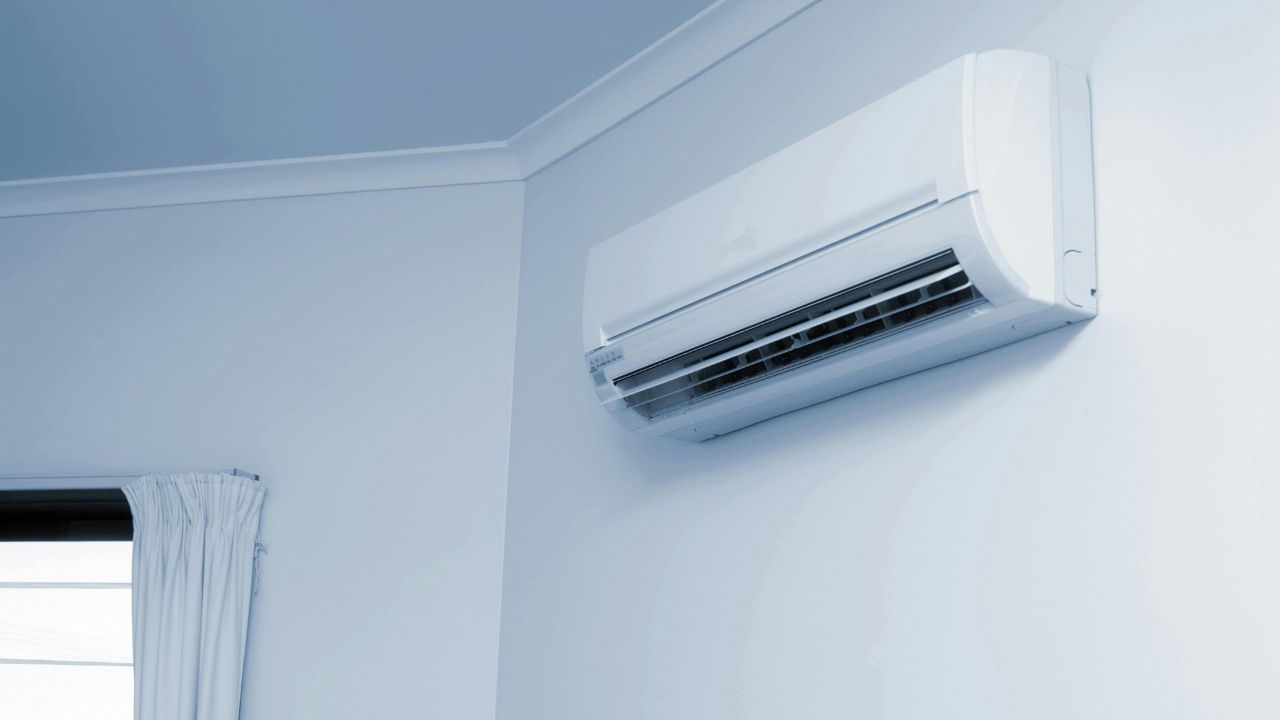
If your air conditioner keeps turning on and off every few minutes without ever completing a full cooling cycle, you're dealing with AC short cycling. It's one of the more common - and more damaging - problems a home cooling system can develop, and it's worth taking seriously.
This guide explains what AC short cycling is, what causes it, and what you can do about it before it leads to bigger problems.
What Is AC Short Cycling?
A healthy air conditioner runs in cycles - typically 15 to 20 minutes of operation followed by a rest period. During that cycle, it removes heat and humidity from your home and brings the indoor temperature down to your thermostat setting before shutting off.
AC short cycling is when that cycle gets cut short. The system starts up, runs for only a few minutes, shuts off, then starts up again shortly after. This pattern repeats continuously without the system ever completing a proper cooling cycle.
The result is a home that never quite reaches the right temperature, humidity that stays higher than it should, and an AC system that's working far harder than it needs to be.
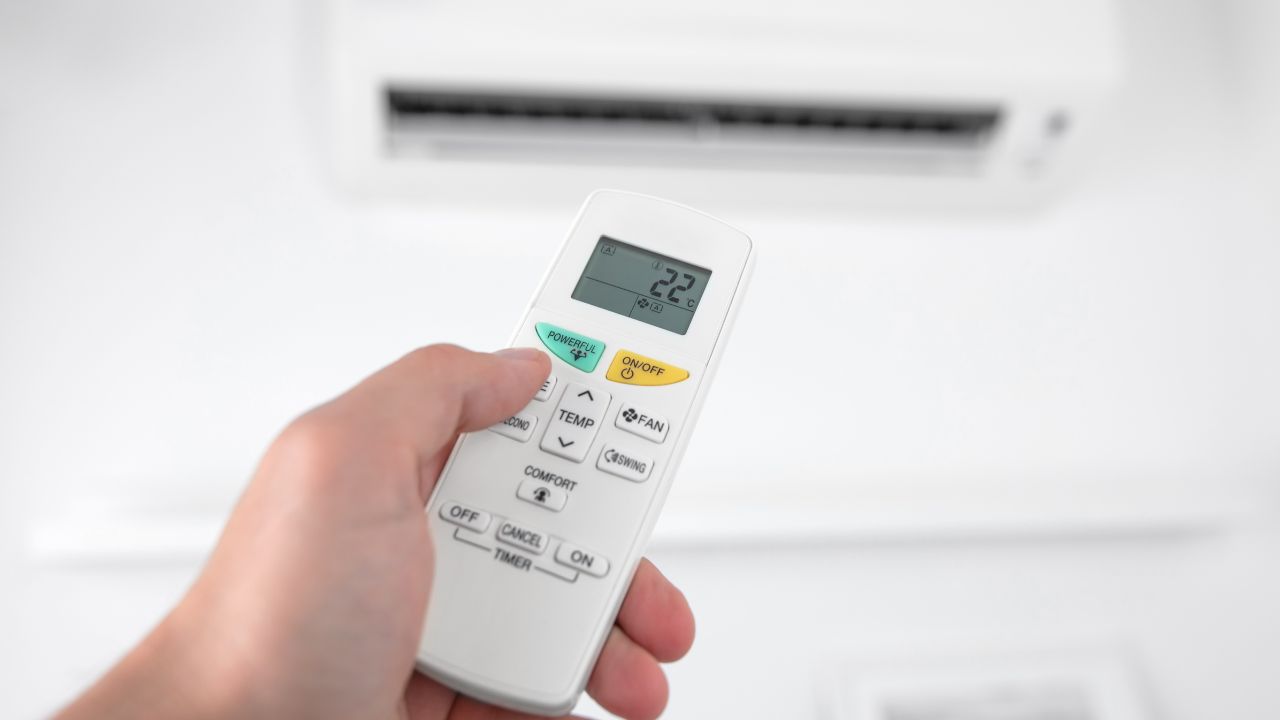
Why AC Short Cycling Is a Problem
Beyond the obvious comfort issue, short cycling causes real damage over time.
The startup phase is the most electrically demanding moment in any AC cycle. Every time the compressor kicks on, it draws a significant surge of power. When short cycling forces this to happen repeatedly throughout the day, it puts enormous stress on the compressor - the most expensive component in your system.
Left unaddressed, AC short cycling significantly shortens the lifespan of your unit and drives up energy bills at the same time. A system that short cycles is doing more work for less result.
Common Causes of AC Short Cycling
There are several reasons an AC system might short cycle, ranging from simple fixes to issues that need professional attention.
An Oversized AC Unit
This is one of the most common - and most overlooked - causes of AC short cycling, particularly in newer installations.
An oversized air conditioner cools the space too quickly. It reaches the thermostat's target temperature in just a few minutes, shuts off, and then cycles back on again almost immediately as temperatures rebound. It sounds counterintuitive, but a unit that's too powerful for your space will actually perform worse than one that's properly sized.
The fix here isn't a repair - it's replacement with a correctly sized unit. This is why proper load calculations matter so much before any AC installation. Whyte Mechanical sizes every air conditioning installation carefully to avoid exactly this problem.
Low Refrigerant Levels
When refrigerant levels drop due to a leak, the AC system's pressure drops with it. Many systems have a low-pressure safety switch that shuts the system down when pressure falls below a safe threshold - which is what causes the short cycling pattern.
If refrigerant is the cause, you'll likely notice the system isn't cooling effectively even during the brief periods it does run. A technician will need to locate and repair the leak before recharging the system. Simply topping up refrigerant without fixing the leak is a temporary measure at best.
A Frozen Evaporator Coil
The evaporator coil absorbs heat from your indoor air. If airflow over the coil becomes restricted - usually due to a dirty air filter or blocked return vents - the coil can freeze over. A frozen coil prevents the system from functioning properly and can trigger the safety shutoff repeatedly, causing short cycling.
Start with the simplest check: replace your air filter and make sure all return vents are clear of furniture, rugs, or other obstructions. If the coil is already frozen, turn the system off and let it thaw before restarting - running it while frozen causes further damage.
Electrical Issues
Faulty wiring, a failing capacitor, or a malfunctioning thermostat can all cause AC short cycling by disrupting the signals that control when the system starts and stops.
A capacitor issue is particularly common - capacitors help the compressor and fan motors start up, and when they begin to fail they can cause the system to cut out shortly after starting. This is a relatively inexpensive repair when caught early, but a failed capacitor left unaddressed can eventually take the compressor with it.
Thermostat Problems
A thermostat that's poorly placed - in direct sunlight, near a heat source, or directly in the path of a supply vent - will read temperatures inaccurately. If it thinks the room has cooled down when it hasn't, it will shut the system off prematurely.
A malfunctioning thermostat can have the same effect. If you've ruled out other causes, the thermostat is worth checking - and replacing if necessary. It's one of the more affordable fixes in the AC short cycling troubleshooting process.
High Refrigerant Pressure
Just as low refrigerant pressure can cause short cycling, so can excessively high pressure on the high side of the system. This can happen if the condenser coil is dirty, if airflow around the outdoor unit is restricted, or if too much refrigerant was added during a recharge. The system's high-pressure safety switch shuts it down to prevent damage.
Make sure the area around your outdoor unit is clear of vegetation, debris, and anything blocking airflow. The condenser coils should be cleaned annually as part of routine maintenance.
How to Diagnose AC Short Cycling at Home
Before calling a technician, a few basic checks are worth doing yourself.
Check your air filter first - a clogged filter is one of the most common causes of short cycling and takes two minutes to address. Replace it if it's dirty and see if the pattern changes.
Check your thermostat settings and location. Make sure it's set to cool, not just fan, and that it isn't in a spot where it's getting false temperature readings.
Look at your outdoor unit. Make sure nothing is blocking airflow around the condenser and that the unit isn't running while covered in ice or frost.
If none of these resolve the issue, the problem is likely refrigerant levels, electrical components, or sizing - all of which need a licensed technician to properly diagnose and repair.
.jpg)
When to Call a Professional
Most of the underlying causes of AC short cycling - refrigerant leaks, electrical faults, frozen coils caused by deeper system issues - require professional diagnosis and repair. Refrigerant handling in particular is regulated in Canada and must be performed by a licensed technician.
If your AC system is short cycling and basic checks haven't resolved it, it's worth getting a technician in sooner rather than later. The longer the pattern continues, the more stress accumulates on the compressor.
Get in touch with Whyte Mechanical and our team will diagnose the issue accurately and walk you through the options clearly.
Preventing AC Short Cycling
The best way to avoid short cycling is a combination of proper installation and consistent maintenance.
- Replace your air filter every one to three months during cooling season
- Keep return vents and registers clear of obstructions
- Have your AC system serviced annually before summer
- Make sure any new AC installation is properly sized for your home - not just the square footage, but ceiling height, insulation, sun exposure, and other factors
A well-maintained, properly sized system runs in smooth, efficient cycles and lasts significantly longer than one that's been short cycling for years undetected.
Frequently Asked Questions
What does AC short cycling sound like?
You'll typically hear the system start up - the outdoor compressor kicks on and the indoor air handler begins blowing - and then shut off again within two to five minutes. This pattern repeats frequently throughout the day. It often sounds like the system is constantly "starting" without ever settling into a steady hum.
Can a dirty filter cause AC short cycling?
Yes - a clogged air filter restricts airflow over the evaporator coil, which can cause the coil to freeze. A frozen coil triggers safety shutoffs that produce short cycling behavior. Replacing a dirty filter is always the first thing to check.
How do I know if my AC is short cycling or just running normally?
A normal AC cycle lasts roughly 15 to 20 minutes. If your system is running for only two to five minutes before shutting off, and restarting again within minutes, that's short cycling. On very hot days, shorter cycles can be normal - but frequent brief cycles throughout the day at normal temperatures are a warning sign.
Can AC short cycling damage my system?
Yes. Repeated compressor startups put significant stress on the motor and electrical components. Over time, short cycling dramatically shortens the lifespan of the compressor - the most expensive component to replace in any AC system.
Is AC short cycling an emergency?
It's not an emergency in the way a gas leak would be, but it shouldn't be ignored. The longer it continues, the more wear accumulates on your system. Book a service call promptly rather than letting it run through the summer.
How much does it cost to fix AC short cycling?
It depends entirely on the cause. A thermostat replacement or capacitor swap might cost a few hundred dollars. Refrigerant leak repair and recharge is more, typically in the $300 to $600 range. If the root cause is an oversized unit, replacement is the only real solution - which is a larger investment but the right long-term call.